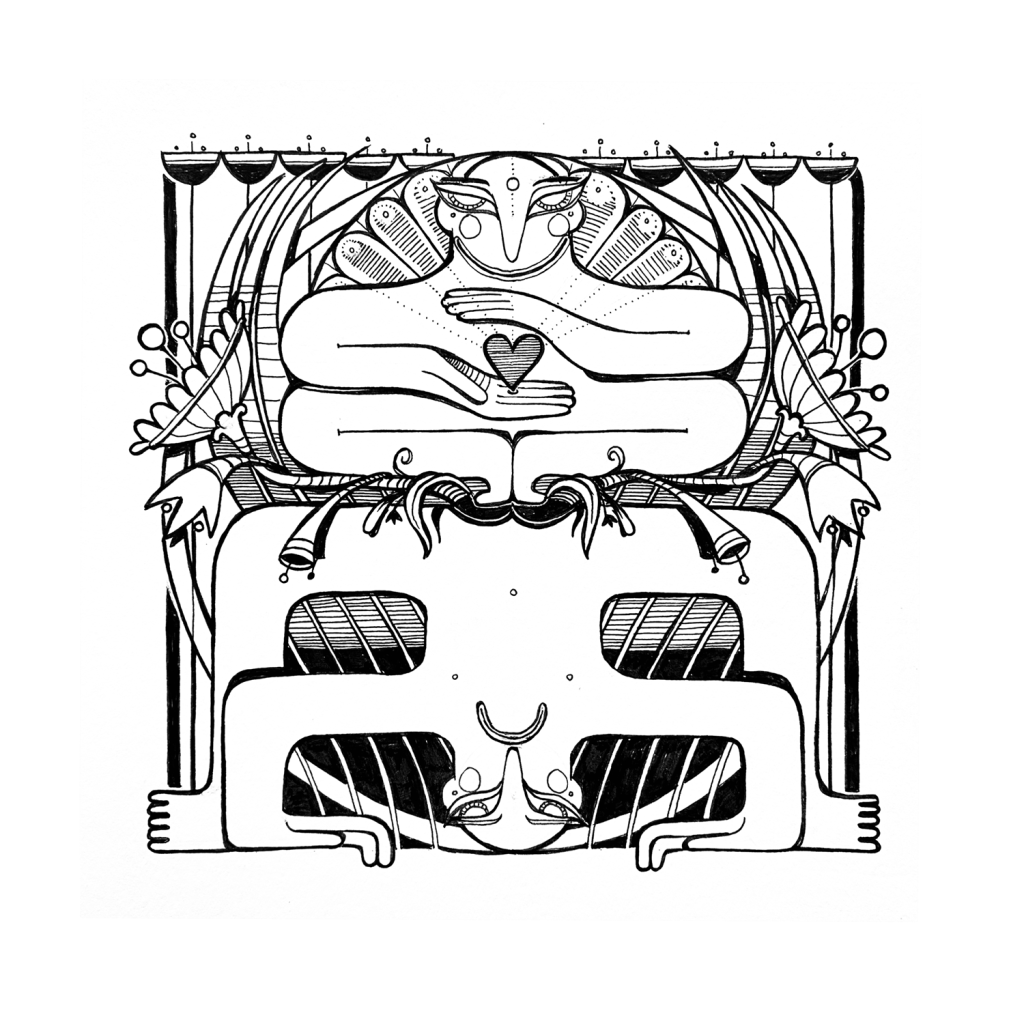
Self-regulation is like your secret weapon for adaptability, growth, and physical health. By keeping stress in check and promoting balance, it helps you stay grounded and responsive, even when life throws curveballs. While self-preservation is all about quick, reactive survival instincts, self-regulation steps in to help you manage emotions, make intentional choices, and stay flexible. This paves the way for emotional intelligence, deeper connections, and lasting well-being—helping you move beyond just surviving to truly thriving with purpose and clarity.
Self care is only possible when you’re self aware.
Oh, I make it sound like it comes easy to me… but honestly, it doesn’t!
I come from a family with incredible willpower. We’ve always powered through even the toughest times without a second thought. With that classic British “stiff upper lip,” we’re taught not to complain when sh!t hits the fan—“rest is for the wicked,” and “you can sleep when you’re dead.” It definitely gets things done, no doubt about that. But, as I’ve learned, it can come at a price. And that’s exactly what got me thinking: true happiness doesn’t really come from sheer willpower alone.
There’s absolutely nothing wrong with putting in a little effort—after all, if you don’t try, you won’t get anywhere. But when you combine that effort with awareness, observation, and the flexibility to adjust, you create a much smoother, more flowing path in life.
Below, I’ve shared a few key differences between self-regulation and self-preservation. Take a moment to reflect on how you’re playing the game of life, especially when it throws those curveballs your way.
Flexibility vs. Rigidity
| Self-preservation | Self-regulation |
|---|---|
| This is your immediate survival mode, focusing on avoiding threats. While it’s handy in dangerous situations, it often leads to fear-driven, rigid behaviours, and making knee-jerk decisions. | This is like your inner chill master. It helps you stay aware, find balance, and respond thoughtfully instead of getting stuck in fight, flight, or freeze and reacting like you’re in a never-ending action movie. |
Long-Term Growth
| Self-preservation | Self-regulation |
|---|---|
| Keeps you safe by meeting basic needs but tends to keep you cozy in your comfort zone —great for stability, not so great for growth. | This is your personal coach, encouraging you to face discomfort, manage your thoughts and emotions, and take smart risks that lead to real personal growth. It’s all about growing stronger and more resilient. (In a Yoga class this is when I will ask the student in an uncomfortable pretzel shaped posture to distinguish between growing pains or harmful pains, and to adjust where needed.) |
Emotional Intelligence
| Self-preservation | Self-regulation |
|---|---|
| Often hits the mute button on emotions or jumps straight to reaction mode—when something feels threatening it’s bye-bye, self-awareness and deep understanding. | Think of it as your emotional toolkit. Encouraging you to recognise, name, and manage emotions. This builds emotional intelligence, leading to healthier relationships, thoughtful conversations, and more meaningful connections with yourself and others. |
Empowerment vs. Survival Mode
| Self-preservation | Self-regulation |
|---|---|
| Keeps you stuck in a reactive, survival mode, reacting to everything, just trying to get through the day. | Hands you the tools to take charge. You can respond with intention instead of reacting on autopilot, giving you a sense of control and empowerment in your life. |
Connection and Well-Being
| Self-preservation | Self-regulation |
|---|---|
| Can make you put up walls or go on the defensive, which doesn’t exactly scream “let’s be friends.” | Helps you stay calm, compassionate, and connected—even when things get tricky. It’s the recipe for building real, meaningful relationships. |
Thriving Instead of Just Surviving
| Self-preservation | Self-regulation |
|---|---|
| Gets you through the tough times by focusing on the bare essentials, but it can leave you feeling stuck in survival mode. | Is about thriving—aligning your actions with your values, staying grounded, and finding purpose even when life feels tough. |
Example Analogy: Sailing a Ship
| Self-preservation | Self-regulation |
|---|---|
| It’s like anchoring your ship during a storm—safe for now, but you’re not going anywhere. | Picture yourself navigating the storm—adjusting the sails, steering with confidence, and staying on course no matter how choppy the waters get. |
In a Nutshell
Self-preservation is your built-in survival mechanism—great for immediate safety but often reactive, fear-driven, and focused on just getting by.
On the other hand, self-regulation is like your inner compass, helping you stay balanced, intentional, and adaptable. While self-preservation keeps you safe in the moment, self-regulation helps you grow, connect, and thrive in the long run.
By shifting from survival mode to self-regulation, you empower yourself to navigate life’s challenges with confidence, build meaningful relationships, and align your actions with your values and goals.
So, how can you start steering your ship toward thriving instead of just surviving?
 Get Curious.