
A Calm Habit.
Cultivating calm, balance, and resilience.
The Calm Habit Method
`What I Teach.
A calm habit isn’t about staying calm all the time.
It’s the ability to return to balance, again and again, even when life feels busy, emotional, or uncertain.
Many of us live in a constant state of low-grade stress. The body stays alert, the mind keeps racing, and emotions build up quietly in the background. Over time, this can lead to anxiety, exhaustion, or burnout.
Cultivating a calm habit gently interrupts this pattern by teaching the nervous system that it’s safe to slow down, feel, and reset.
Through curiosity, awareness, movement, breath, stillness, and creative expression, I guide people to build calm as something lived and embodied; not a goal to reach, but a place to return to.
Drawing from Qigong, Yoga, meditation, and somatic awareness, alongside my own experience and education, this work focuses on prevention and regulation. You learn to notice early signs of stress, meet emotions with curiosity, and respond rather than react.
Calm is cultivated step by step:
- Listening to the body and understanding how stress shows up
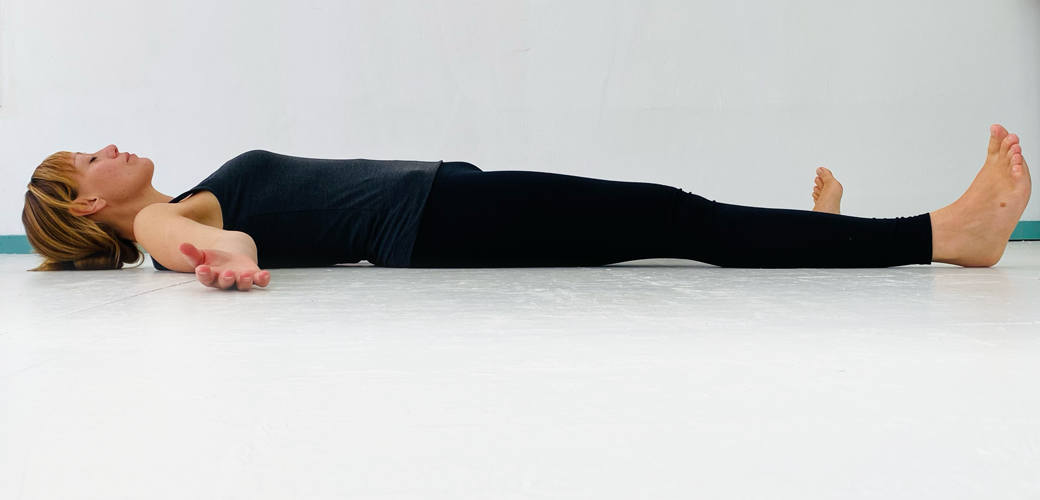
- Using gentle movement and breath to release tension and restore flow
- Creating space through stillness and micro-pauses
- Exploring creative expression as a way to process and reconnect
Over time, these small, accessible practices become habits woven into everyday life, supporting resilience, clarity, and a steady sense of grounding you can return to whenever you need.
How I Work.
I offer this work through in-person, online, and hybrid formats, so the practices can fit into real life, whether you’re busy, living at a distance, or prefer to learn at your own pace.
I create flexible pathways, knowing that we’re all different, with different needs, rhythms, and ways of learning.
This work isn’t about fixing yourself.
It’s about learning how to be with yourself; with more ease, awareness, and kindness.
I am not a therapist. The practices offered are educational and for personal development, not a substitute for professional medical or mental health care.
 Get Curious.